Guide to a Healthy Life
Hello dear friends! In today’s world, attention to sexual health, reproductive hygiene, and pregnancy care has become more important than ever. In this article, we want to accompany you with a friendly and supportive language so that you can have a healthier life with greater awareness. If you are also looking for useful information about sexual health, or want to know how to maintain your reproductive hygiene, or are planning for pregnancy care, this article is for you. Let’s go step by step together.
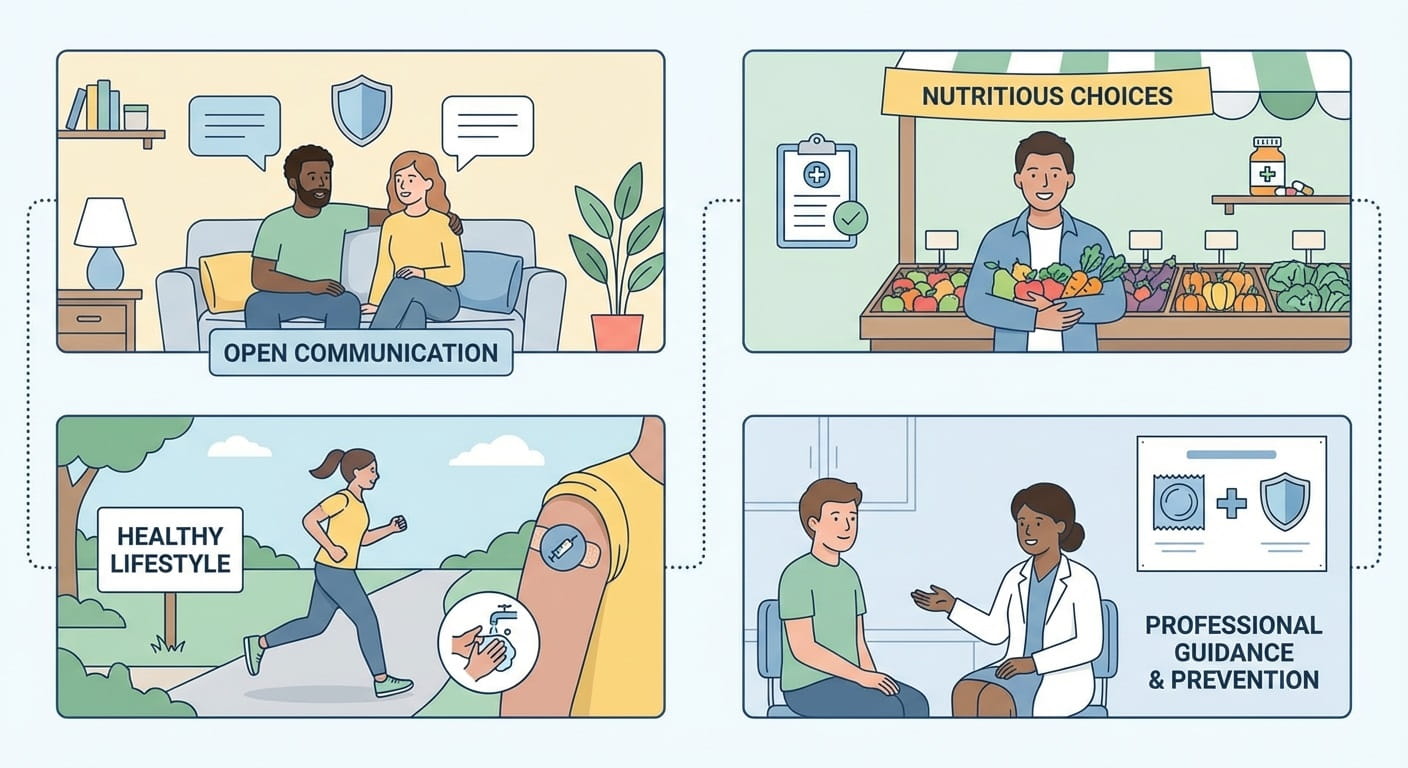
First, let’s start with sexual health. Sexual health is not only about preventing diseases but also includes healthy relationships, emotional and physical satisfaction. Many people think that sexual health is only relevant to adults, but it should be considered from adolescence. To maintain sexual health, regular medical check-ups, using safe prevention methods, and education about sexually transmitted diseases are essential. Remember, talking about sexual health with your partner or doctor is a sign of strength and responsibility.
Now, let’s move on to reproductive hygiene. Reproductive hygiene encompasses all aspects of healthy reproduction. This is equally important for women and men. To improve reproductive hygiene, a balanced diet, regular exercise, and avoiding smoking and alcohol are key. If you have issues with reproductive hygiene, such as infertility or hormonal disorders, consult a specialist early. We are here to tell you that you are not alone and there are many solutions to maintain reproductive hygiene.
One of the most important sections is pregnancy care. If you are pregnant or planning, pregnancy care can make a big difference. From the first weeks, regular doctor visits, taking vitamins like folic acid, and a nutrient-rich diet are essential. In pregnancy care, pay attention to warning signs such as bleeding or pain and always consult your doctor. We want to support you to pass this beautiful period peacefully.
Sexual health and reproductive hygiene are often interconnected. For example, sexually transmitted infections can affect reproductive hygiene, so preventing them is vital. In your relationships, always think about mutual satisfaction and use safe methods to maintain sexual health. If you have questions about sexual health, don’t be shy; knowledge is power.
Regarding women, reproductive hygiene includes regular menstrual cycles and annual check-ups. For men, checking sperm health and prostate is part of reproductive hygiene. By focusing on a healthy lifestyle, you can strengthen your reproductive hygiene. We warmly recommend using reliable sources for more information.
Now, let’s delve deeper into pregnancy care. In the first trimester, focus on preventing nausea and fatigue. In pregnancy care, light exercises like walking can help. Always listen to your body and seek help immediately if you feel uncomfortable. Pregnancy care is vital not only for the mother but also for the fetus.
Sexual health changes during pregnancy. Many couples worry about sexual relations, but with doctor consultation, you can maintain sexual health. This is part of reproductive hygiene that is often overlooked. We supportively say: Pregnancy is a time of beauty, but don’t forget sexual health.
For long-term reproductive hygiene, vaccination against diseases like HPV is essential. This directly helps sexual health. If you have a family history of fertility problems, act early so your reproductive hygiene is not affected.
In pregnancy care, nutrition plays a key role. Consuming fruits, vegetables, and protein is important for fetal growth. In pregnancy care, avoid excessive caffeine. We sincerely wish this period to be full of joy for you.
Sexual health after childbirth is also important. Many mothers face hormonal changes, but with support, you can regain your sexual health. This is part of the reproductive hygiene cycle.
Let’s talk about the importance of education. Education about sexual health from an early age can prevent future problems. Dear parents, talk to your children about sexual health to ensure their reproductive hygiene.
In pregnancy care, genetic screenings can provide peace of mind. This is part of standard pregnancy care and helps overall reproductive hygiene.
Sexual health also includes mental health. Stress can affect sexual health, so try relaxation techniques. We encouragingly urge you to prioritize yourself.
For women, regular Pap smears are part of reproductive hygiene. This simple test can detect problems early and preserve reproductive hygiene.
In pregnancy care, adequate sleep is vital. Lack of sleep can affect both mother and fetus. In pregnancy care, establish a regular sleep routine.
Sexual health changes in middle age, but with awareness, you can enjoy it. This is related to reproductive hygiene, especially during menopause.
If you are facing infertility, options like IVF exist. This is part of modern reproductive hygiene, and we supportively say: Don’t lose hope.
In pregnancy care, emotional support from your partner is important. This strengthens the couple’s sexual health.
Sexual health and reproductive hygiene are linked to exercise. Regular physical activity improves blood flow and enhances reproductive hygiene.
For pregnant mothers, yoga can be part of pregnancy care. It brings calm and makes pregnancy care enjoyable.
Sexual health includes using lubricants if needed. Don’t be shy; it’s natural for sexual health.
In reproductive hygiene, hydration is important. Drink plenty of water to maintain your reproductive hygiene.
In the third trimester of pregnancy care, preparing for delivery is key. Attend educational classes.
Sexual health after miscarriage requires care. Emotional support is essential for sexual health.
For men, a zinc-rich diet is beneficial for reproductive hygiene.
In pregnancy care, stay away from infections to keep the fetus healthy.
Sexual health in long-term relationships is maintained through open communication.
Reproductive hygiene is ensured with regular check-ups.
Finally, sexual health, reproductive hygiene, and pregnancy care are the foundations of a healthy life. If you need help, specialists are always ready. We are here to support you. Build a better life with awareness!